Babylove: A Whimsical Script Font for Digital Design
There’s something about a well-chosen font that can transform a website from good to unforgettable. I was recently working on a boutique online store redesign, and I needed a display font that felt both personal and professional. That’s when I stumbled upon Babylove—a script handwritten font with a charm that immediately caught my eye.
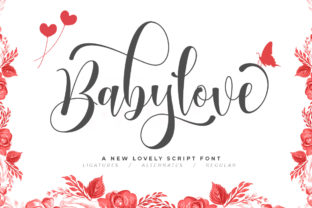
Babylove is more than just a typeface; it's an experience. Its whimsical curves and casual strokes give it a warm, approachable feel, perfect for brands looking to convey creativity and personality. It's not too ornate, nor too simple—it strikes a balance between playful and polished, making it ideal for a variety of digital design needs.
Visual Appeal and Personality
Babylove has a soft, flowing character that feels like it was written by hand. Each letter carries a sense of movement and individuality, which makes it especially appealing for creative industries such as art, fashion, or lifestyle brands. The font isn’t overly decorative, so it maintains readability even in larger sizes, while still standing out against more traditional fonts.
I tested Babylove in the hero section of a sample landing page, and it worked beautifully. The font added a touch of elegance without overwhelming the content. It also paired exceptionally well with clean sans serif fonts, creating a balanced visual hierarchy that guided the viewer’s eye naturally through the page.
Practical Use Cases for Web Design
Babylove shines in situations where you want to add a bit of character without sacrificing usability. It works particularly well for short phrases—like headlines, call-to-action buttons, or logo text. For instance, using Babylove for a product title on an e-commerce site instantly adds a layer of warmth and sophistication to the brand identity.
On mobile devices, Babylove remains legible, though I found it best suited for headings rather than long paragraphs. When used in image overlays or banners, it blends seamlessly with visuals, enhancing the overall aesthetic without distracting from the message.
One of my favorite uses was placing Babylove over a subtle background texture in a blog header. It created a cohesive, artisanal feel that aligned perfectly with the brand’s voice. It also looked great in a dark mode layout, where its contrast against darker backgrounds made it stand out without being too bold.
Font Pairing and Accessibility Considerations
When designing with Babylove, it's important to consider how it pairs with other fonts. I found that combining it with a modern sans serif like Montserrat or Open Sans created a strong, professional look. This pairing is especially useful for websites that need to maintain a friendly yet trustworthy vibe.
For accessibility, Babylove should be used sparingly and always paired with a clear body font. It's not suitable for small navigation text or form labels due to its decorative nature. However, when used correctly, it enhances user engagement by adding emotional appeal and visual interest.
Choosing the Right Format and Licensing
Before implementing Babylove on any live site, I checked the available formats and licensing options. The font comes in standard webfont formats, including WOFF and WOFF2, ensuring compatibility across browsers and devices. It also includes a range of styles and alternates, giving designers flexibility in their creative choices.
For commercial use, it's essential to confirm that the font license allows for use on websites, client projects, or online stores. Babylove is a commercial font, so it’s suitable for most digital branding needs as long as the licensing terms are followed.
In summary, Babylove is a versatile script font that brings a unique personality to digital designs. Whether you're working on a boutique shop, a coaching website, or a creative portfolio, this font adds a touch of charm that resonates with users and strengthens brand identity. Just remember to use it thoughtfully, keeping readability and accessibility in mind for the best results.