Onitsha: A Handwritten Font That Elevates Digital Design
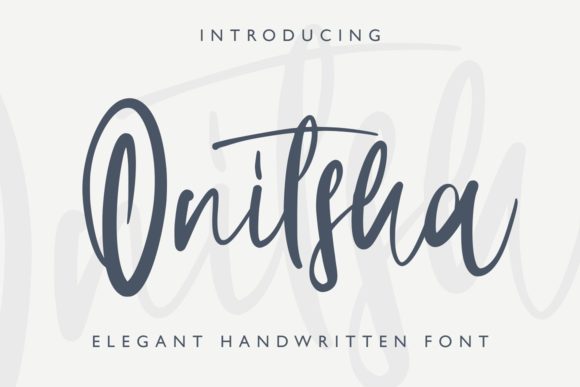
There’s something about a handwritten font that instantly adds warmth and personality to any digital space. I recently tested Onitsha, a Script Handwritten font, on a boutique online store project, and it made all the difference in creating a cohesive and inviting brand identity.
Onitsha is a gorgeous and incredibly stylish handwritten font that feels both elegant and approachable. Its flowing curves and natural imperfections give it a personal touch, making it perfect for websites that want to convey creativity, charm, or a handcrafted feel. Whether you're designing a hero section, a landing page headline, or a call-to-action button, Onitsha brings a sense of authenticity that stands out in today's digital landscape.
Onitsha in Action: Real Web Design Examples
I first used Onitsha in the hero section of a creative portfolio website. The font looked stunning when paired with a high-quality image of a hand-painted canvas. It felt like the text was part of the artwork itself, drawing the viewer’s eye naturally to the message without overpowering the visuals.
Next, I tested it on a product landing page for a handmade candle brand. The font worked beautifully as a headline above a “Shop Now” button. It added just the right amount of character without sacrificing readability. Even on smaller screens, the font remained legible, which is crucial for mobile users who often scan content quickly.
For a coaching website, I used Onitsha in the header and subheadings of blog posts. It created a warm and welcoming atmosphere, aligning perfectly with the brand’s mission of providing support and guidance. The font also looked great when layered over a subtle background pattern, adding depth without distraction.
When to Use Onitsha and When to Avoid It
Onitsha shines in display use—think headlines, banners, and call-to-action sections. It’s ideal for short phrases, names, and titles where visual impact matters more than dense text. However, it’s not the best choice for long body copy or small navigation text. The decorative nature of the font can make it harder to read in large blocks or at very small sizes.
If you're designing a website that requires a lot of body text, consider pairing Onitsha with a clean sans serif font for the main content. This combination allows the handwritten font to take center stage while keeping the rest of the design readable and professional.
Another thing to keep in mind is accessibility. While Onitsha adds personality, it’s important to ensure that the contrast between the font and background is sufficient for all users. Testing the font on different screen sizes and backgrounds will help you determine the best placement and styling for your site.
Font Pairing and Styling Tips
One of the most effective ways to use Onitsha is by pairing it with a complementary font. For a modern and balanced look, I recommend using a simple sans serif font like Helvetica or Arial for body text. If you want to add a bit more sophistication, a clean serif font like Georgia could work well too.
For a more dramatic effect, try combining Onitsha with a bold display font for headings. This creates a dynamic visual hierarchy that guides the user through the content effortlessly. Just be sure to maintain consistency across your design elements to avoid a cluttered appearance.
Don’t forget to check the font’s available styles, alternates, ligatures, and weights. These features can enhance your design by offering more flexibility and customization options. Also, make sure the font supports the languages and characters you need for your website, especially if you plan to use it internationally.
Practical Considerations for Web Projects
Before using Onitsha on a live website, always verify that it includes webfont availability and proper licensing. This ensures that your site remains compliant and performs well across different platforms and devices. If you’re using the font for client projects or commercial purposes, double-check the licensing terms to avoid any legal issues.
Onitsha is available in various file formats, including OTF and TTF, which makes it easy to integrate into your design workflow. Whether you're using it in Adobe Creative Suite, Figma, or a code-based project, the font should load smoothly and render consistently across different browsers.
Lastly, consider how Onitsha fits into your overall brand identity. Does it align with your brand’s tone and values? Is it versatile enough to be used across multiple touchpoints, from your website to social media graphics? Answering these questions will help you determine whether Onitsha is the right choice for your digital design needs.