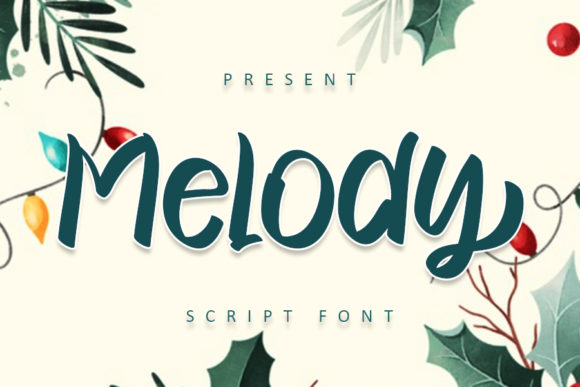
Enhance Your Editorial Design with the Melody Script Font
The Melody script font brings a sense of elegance and approachability to any editorial project. As a relaxed and beautiful paint handwritten font, it adds warmth and personality to layouts that require both visual appeal and readability. Whether you're designing a blog header, crafting a magazine cover, or creating a printable guide, Melody offers a versatile and expressive option for your typography needs.
Visual Characteristics and Style
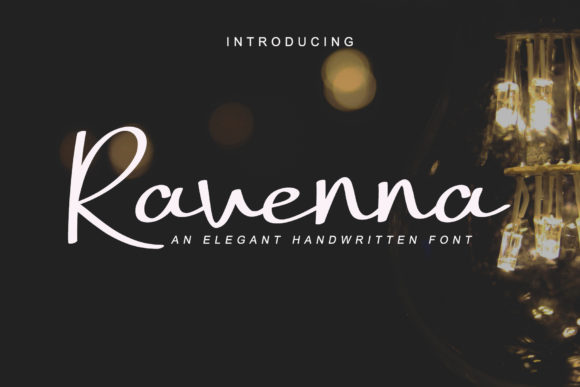
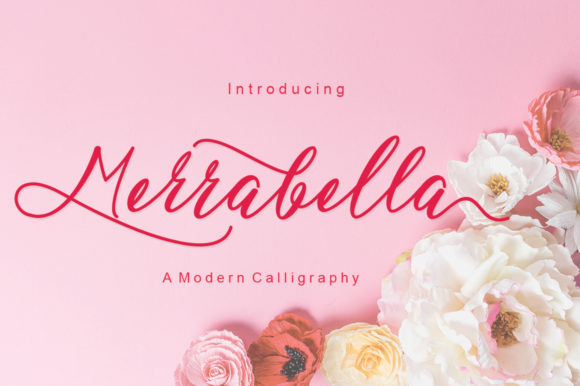
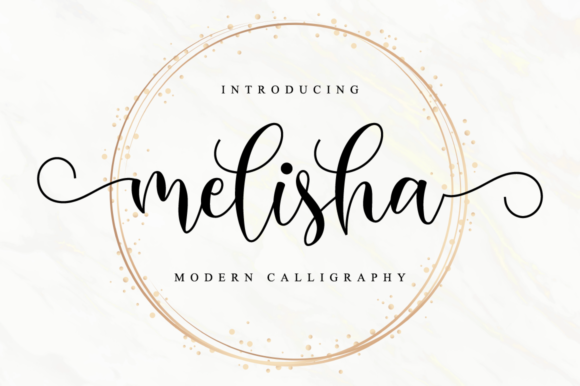
Melody is characterized by its soft, flowing strokes and natural imperfections, giving it an authentic handwritten feel. The font’s gentle curves and varying line weights create a visually engaging typeface that feels personal and inviting. This makes it particularly well-suited for content that aims to connect emotionally with readers, such as lifestyle blogs, wedding guides, or creative course materials.
The script style of Melody works especially well in environments where a more casual and artistic tone is desired. Its subtle variations in letterform add character without overwhelming the reader, making it ideal for headings, pull quotes, and other elements that need to stand out while maintaining a harmonious visual balance.
Practical Uses in Editorial Design
In editorial design, the choice of font can significantly influence how content is perceived. Melody’s unique style allows it to be used effectively in a variety of contexts. For instance, it can serve as a primary display font for blog headers, magazine covers, or ebook titles, adding a touch of sophistication and charm.
When working on a recipe ebook, Melody could be used for chapter openers or section headings, helping to establish a warm and inviting atmosphere. Similarly, in a wedding guide, it can be employed for invitation designs, event listings, or quote graphics, enhancing the overall aesthetic and emotional impact of the content.
For newsletter writers and digital magazine designers, Melody can be used in headline treatments or accent typography to draw attention to key sections. It also pairs beautifully with clean sans serif fonts for body copy, ensuring that the text remains legible while still offering a visually appealing contrast.
Readability and Layout Considerations
While Melody is best suited for short bursts of text, it should be used thoughtfully when incorporating it into longer reading passages. Its decorative nature makes it less suitable for large blocks of body copy, but it shines in headlines, pull quotes, and other typographic accents that benefit from a more expressive treatment.
When using Melody in digital formats, it's important to consider screen readability. Testing the font across different devices and screen sizes ensures that it maintains its visual appeal without compromising legibility. Additionally, for print projects, checking how Melody appears in various print resolutions and paper types is essential to maintain quality and consistency.
Font Pairing and Brand Identity
Pairing Melody with complementary fonts can enhance the overall visual hierarchy of a publication. For example, combining it with a clean sans serif font like Helvetica or Arial for body copy creates a balanced contrast between decorative and functional typography. This approach not only improves readability but also reinforces brand identity through thoughtful design choices.
For publications targeting a more formal audience, pairing Melody with a traditional serif font like Times New Roman or Georgia can provide a sophisticated and polished look. In more modern or minimalist designs, pairing it with a geometric sans serif can offer a fresh and contemporary feel.
Considering the available styles, alternates, ligatures, and multilingual support of Melody is also crucial for ensuring that it meets the specific needs of your project. Whether you're designing a multilingual publication or simply looking for a font with a wide range of stylistic options, Melody provides flexibility and adaptability.
Commercial Use and Licensing
If you're planning to use Melody in commercial projects such as ebooks, templates, printables, paid newsletters, client publications, or digital downloads, it's important to ensure that you have the appropriate commercial license. Many premium fonts, including Melody, are available under licenses that allow for use in a wide range of professional applications.
Always review the licensing terms provided by the font supplier to confirm that your intended use is covered. This helps avoid any potential legal issues and ensures that your work remains compliant with copyright regulations.
Whether you're a blogger, publisher, or content creator, Melody offers a valuable tool for enhancing the visual appeal and emotional resonance of your editorial work. By integrating this elegant script font into your design process, you can elevate the overall quality and engagement of your content while maintaining a cohesive and professional brand identity.