Monkey Alone: A Playful Script Font for Editorial Design
When it comes to crafting visually engaging content, the right font can elevate a design from ordinary to extraordinary. Monkey Alone, a whimsical and handwritten script font, brings a unique blend of fun, authenticity, and character that’s perfect for editorial work. Its organic feel makes it an ideal choice for creative projects where personality and visual appeal matter as much as readability.
What Makes Monkey Alone Stand Out
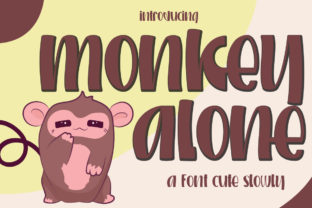
Monkey Alone is more than just a handwritten font; it's a storytelling tool. The irregular strokes, natural curves, and playful energy give it a distinct identity that feels personal and approachable. This script handwritten typeface captures the essence of hand-drawn typography, making it well-suited for designs that aim to connect emotionally with readers.
Its visual characteristics include gentle flourishes, subtle variations in line weight, and a relaxed rhythm that mimics real handwriting. These features contribute to its charm, allowing it to stand out in layouts without overwhelming the reader.
Using Monkey Alone in Editorial Design
The versatility of Monkey Alone makes it suitable for various editorial applications. Whether you're designing a blog header, a magazine cover, or a printable guide, this font adds a touch of creativity and warmth.
For blog headers, Monkey Alone can create a friendly and inviting tone. It works particularly well for lifestyle blogs, creative portfolios, or any content that benefits from a conversational style. Pairing it with a clean sans serif font for body text ensures readability while maintaining visual interest.
In ebook titles or chapter openers, Monkey Alone can introduce a sense of playfulness that aligns with the content’s theme. For instance, a recipe ebook could use this font for section headings to evoke a cozy, home-cooked vibe.
When designing newsletter graphics or quote layouts, the expressive nature of Monkey Alone helps draw attention to key messages. It can be used for pull quotes or callout boxes to highlight important insights or motivational phrases.
Considerations for Readability and Layout
While Monkey Alone excels in creating visual interest, it's important to consider its suitability for different types of text. As a display font, it shines in short bursts of text such as headlines, subheadings, and decorative elements. However, it may not be the best choice for long-form reading due to its stylized nature.
For optimal readability on screens, PDF exports, and mobile layouts, ensure that the font size and spacing are adjusted appropriately. When using Monkey Alone for print materials, test how it appears at various sizes to maintain clarity and legibility.
Font pairing is another crucial aspect of editorial design. To balance the whimsy of Monkey Alone, consider pairing it with a serif font like Georgia or a sans serif font like Helvetica for body copy. This contrast helps maintain visual hierarchy and improves overall readability.
Practical Applications Across Content Types
Monkey Alone can be effectively used in a variety of content formats. Here are a few examples:
- Lifestyle Blog: Use it for post titles or feature sections to add a personal and relatable tone.
- Wedding Guide: Incorporate it into chapter headings or event details for a romantic and elegant feel.
- Coaching Workbook: Apply it to chapter openers or motivational quotes to enhance engagement.
- Digital Magazine: Feature it in article titles or sidebar content to create a cohesive visual identity.
- Printable Planner: Add it to weekly headers or task lists for a friendly and organized layout.
- Creator Newsletter: Use it for subject lines or featured content to catch attention and build brand recognition.
These practical uses demonstrate how Monkey Alone can support a wide range of editorial needs while maintaining a consistent visual tone and brand identity.
Ensuring Commercial Use and Licensing
If you plan to use Monkey Alone for commercial projects such as ebooks, templates, printables, paid newsletters, client publications, or digital downloads, it's essential to review the font’s licensing terms carefully. Many premium fonts require specific licenses for commercial use, so ensuring compliance is crucial to avoid legal issues.
Checking for included styles, alternates, ligatures, weights, and multilingual support can also help determine if the font meets your project requirements. Some fonts offer extended language support or additional characters that may be useful for global audiences.
Whether you're a blogger, publisher, or editorial designer, Monkey Alone offers a versatile and expressive option for enhancing your content. Its unique personality and visual appeal make it a valuable asset in any creative toolkit, helping to create content that resonates with readers and stands out in a crowded digital landscape.